

01Story
From the first seeds to Trang trai Hien Nuong today
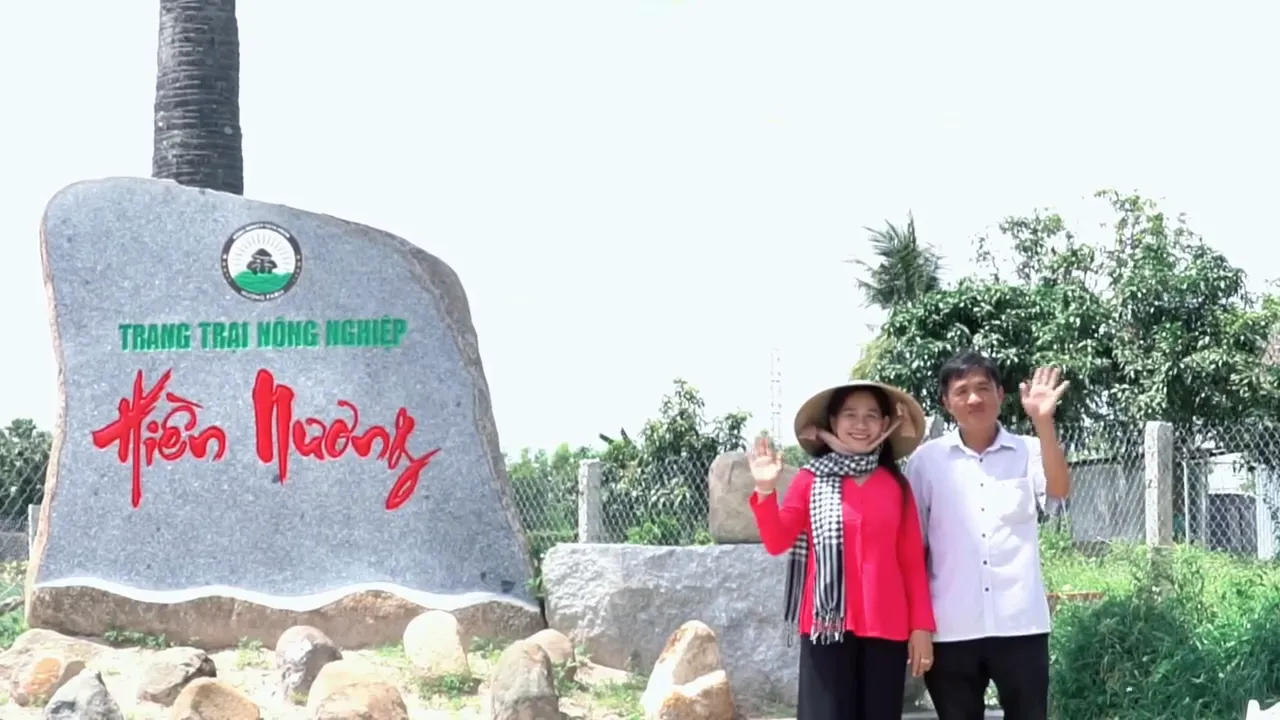
Trang trai Hien Nuong did not begin with a name, but with a love of farming and the long, steadfast days Mr. Hien and Ms. Nuong spent close to the land and to their mushrooms.
Ms. Nuong is the daughter of Mr. Chau Thanh Phu (ong Tu Phu), a veteran farmer known as the “vua tri phen” — “king of acid-soil reclamation” — of the Long Xuyen Quadrangle, who created the TP rice variety in the 1990s.
Where ong Tu Phu’s name is tied to rice and acid soil, the couple chose their own path: mushrooms, agricultural by-products and solar power, on the same land of An Giang.
In a region built on farming, the by-products left after each crop become material for the mushroom-growing substrate — where the Nuong Farm way of working begins.
It has also been a journey of learning to master the work. According to Bao An Giang, from buying spawn in the early days, Ms. Nuong went on to isolate her own strains and make her own spawn.
In 2020, Ta Danh Agricultural Cooperative was established, a step forward in this farming journey. Mr. Tran Phuong Hien serves as Chairman of the Board of Directors and Ms. Nuong runs its operations, while the members share experience, link their production and look for a long-term way forward together.
Nuong Farm is the produce brand of Trang trai Hien Nuong, shaped by the farming journey of Ms. Chau Thi Nuong and Mr. Tran Phuong Hien in An Giang. This shorter, familiar name accompanies the farm’s products as they reach consumers. Trang trai Hien Nuong is the growing site; Ta Danh Agricultural Cooperative is the production and trading entity.
From those first steps, a circular way of farming gradually took shape. Rice straw is used as material for growing mushrooms; after harvest, the substrate goes on to feed earthworms, producing fertiliser for crops. Solar power has also become part of the farm’s work. Resources that seemed to have reached the end of their life are carried on into a new use.
Today, Trang trai Hien Nuong is more than the name of a farm. It is also a story passed on between generations of farmers: from a father devoted to rice on acid soil to a daughter who chose mushrooms to find her own path. A journey built on experience, perseverance and the wish to create more value from what the home region already offers.
02Bay Nui
Mountains amid the fields, palms against the sky
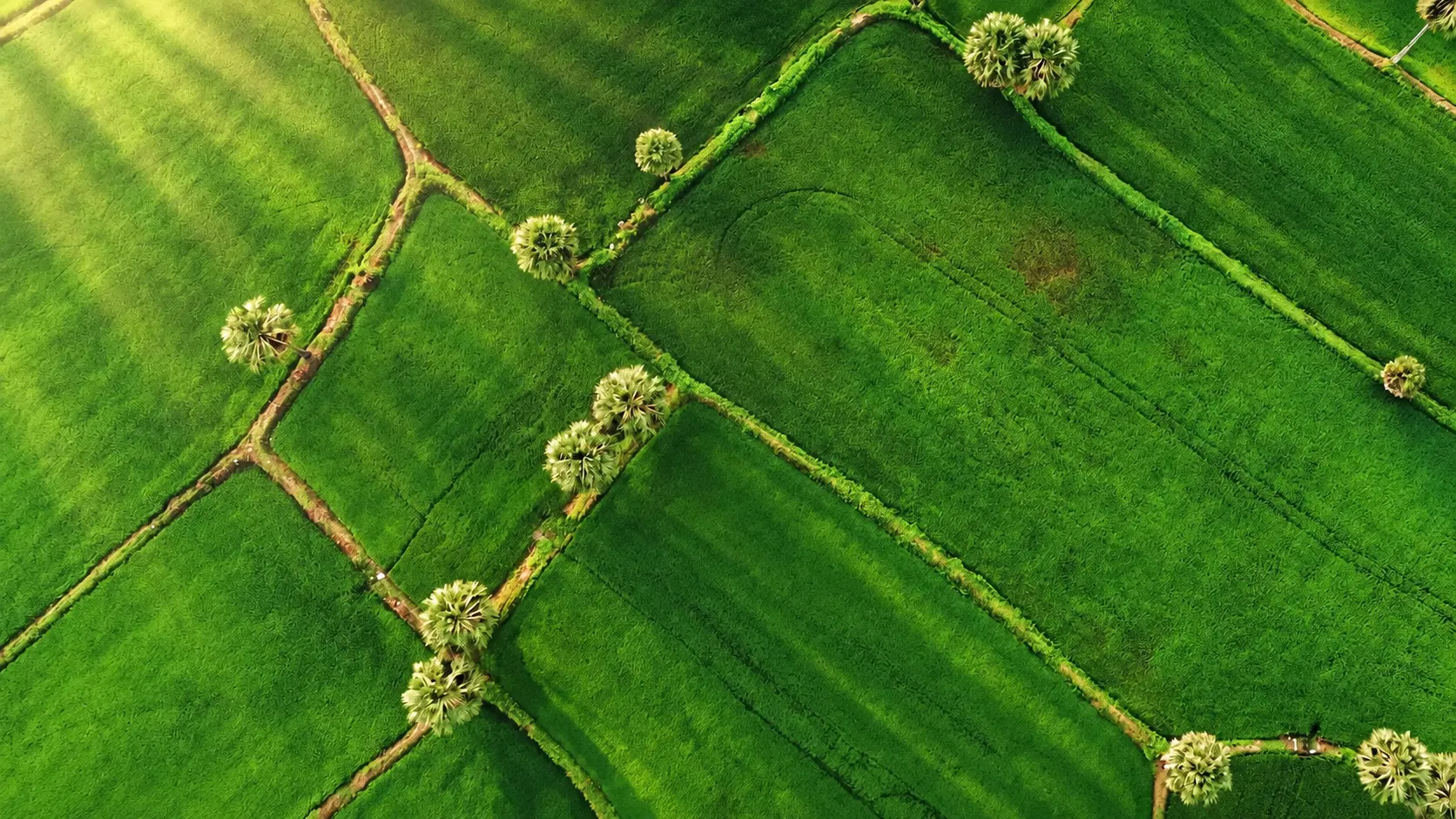
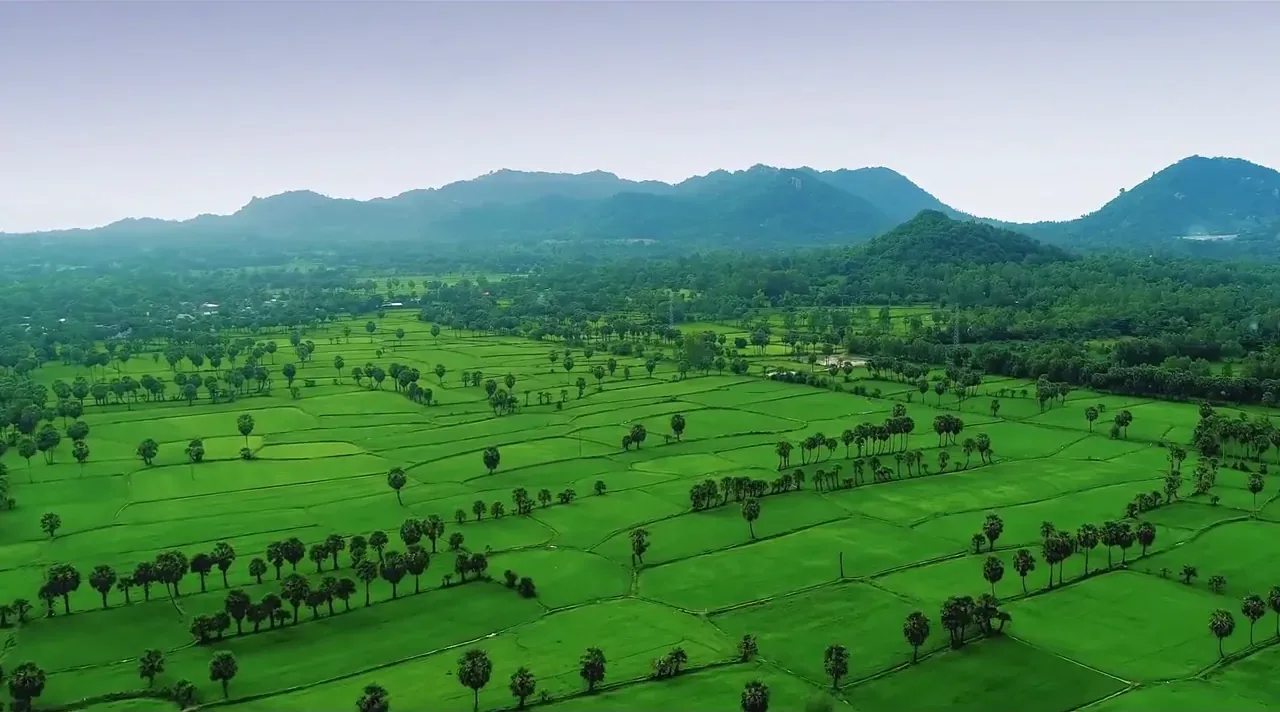
Bay Nui, also known as That Son, has a character of its own in the Mekong Delta: mountains rising from wide open rice fields, among rows of tall palmyra palms.
The region carries the mark of Khmer culture, in its pagodas, its palm-sugar making and the Bay Nui bull races. The palmyra palms are both lines against the sky and part of a traditional local craft.
This is the homeland around the Nuong Farm story — where mountains and fields are part of the rhythm of farming life.
Which peaks make up Bay Nui?
The name Bay Nui (“Seven Mountains”) does not mean the region has only seven peaks. That Son is known for seven representative peaks:
| Common name | Sino-Vietnamese name |
|---|---|
| Nui Cam | Thien Cam Son |
| Nui Co To | Phung Hoang Son |
| Nui Dai | Ngoa Long Son |
| Nui Ket | Anh Vu Son |
| Nui Tuong | Lien Hoa Son |
| Nui Dai Nam Gieng | Ngu Ho Son |
| Nui Nuoc | Thuy Dai Son |
03Two sites
From one farm to two sites
Trang trai Hien Nuong grows mushrooms at two sites, in Thoi Son and Ta Danh, An Giang, covering more than 4 ha in total.
Thoi Son is the first and larger site, where the farm’s mushroom growing was founded. Ta Danh was built later, closer to the home of Ms. Chau Thi Nuong and Mr. Tran Phuong Hien.
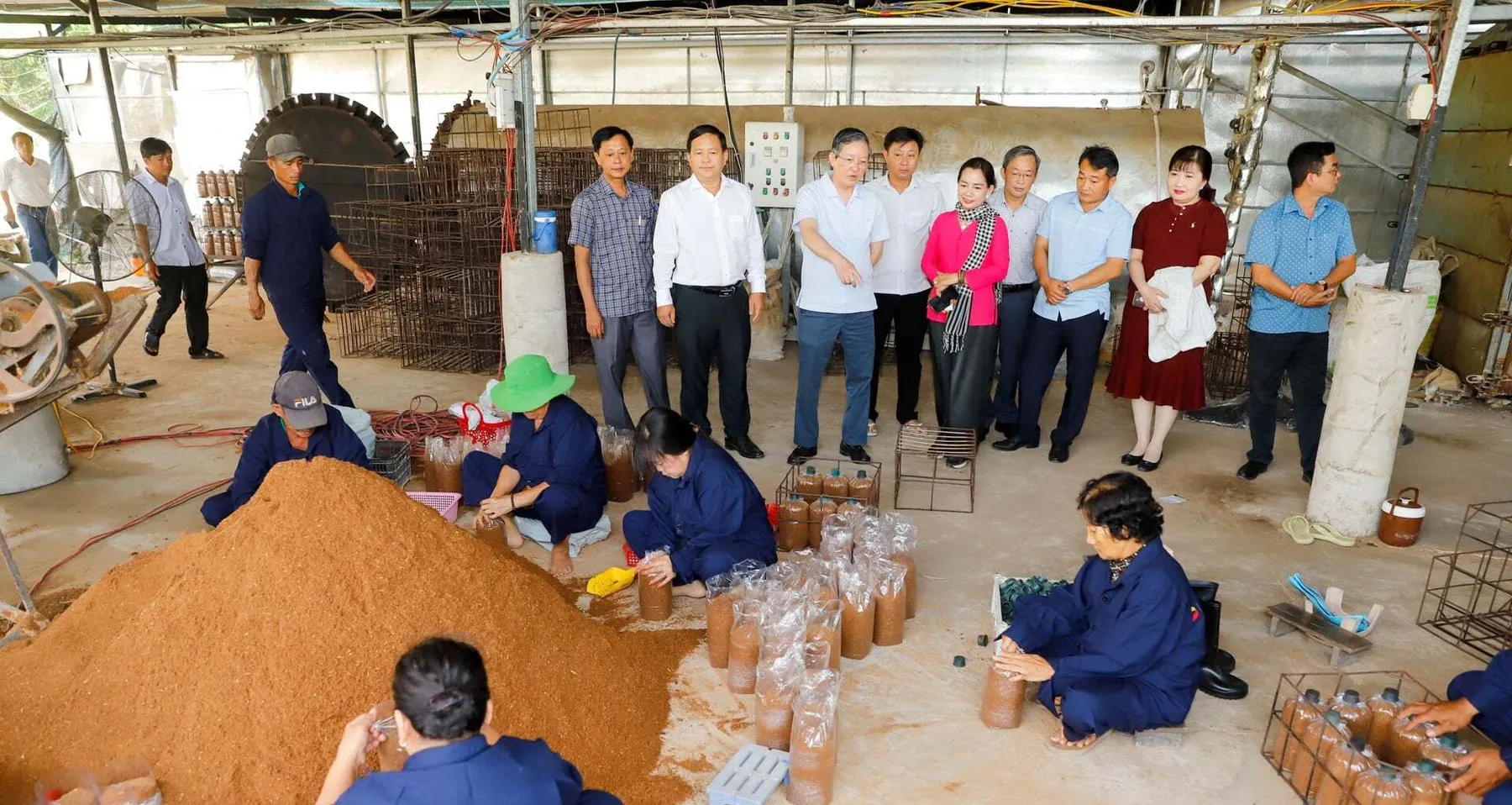
From one site to two, the journey carries on through the work of each day: preparing substrate, tending and harvesting.
Inside the farm, a mushroom season passes through many stages: preparing substrate, cultivating, tending and harvesting, taking raw materials through to mushroom products.
At both Thoi Son and Ta Danh, the founders and a team of local workers contribute to that work. The two sites are where the Nuong Farm story carries on each day.
04Energy
Sunlight for every mushroom season
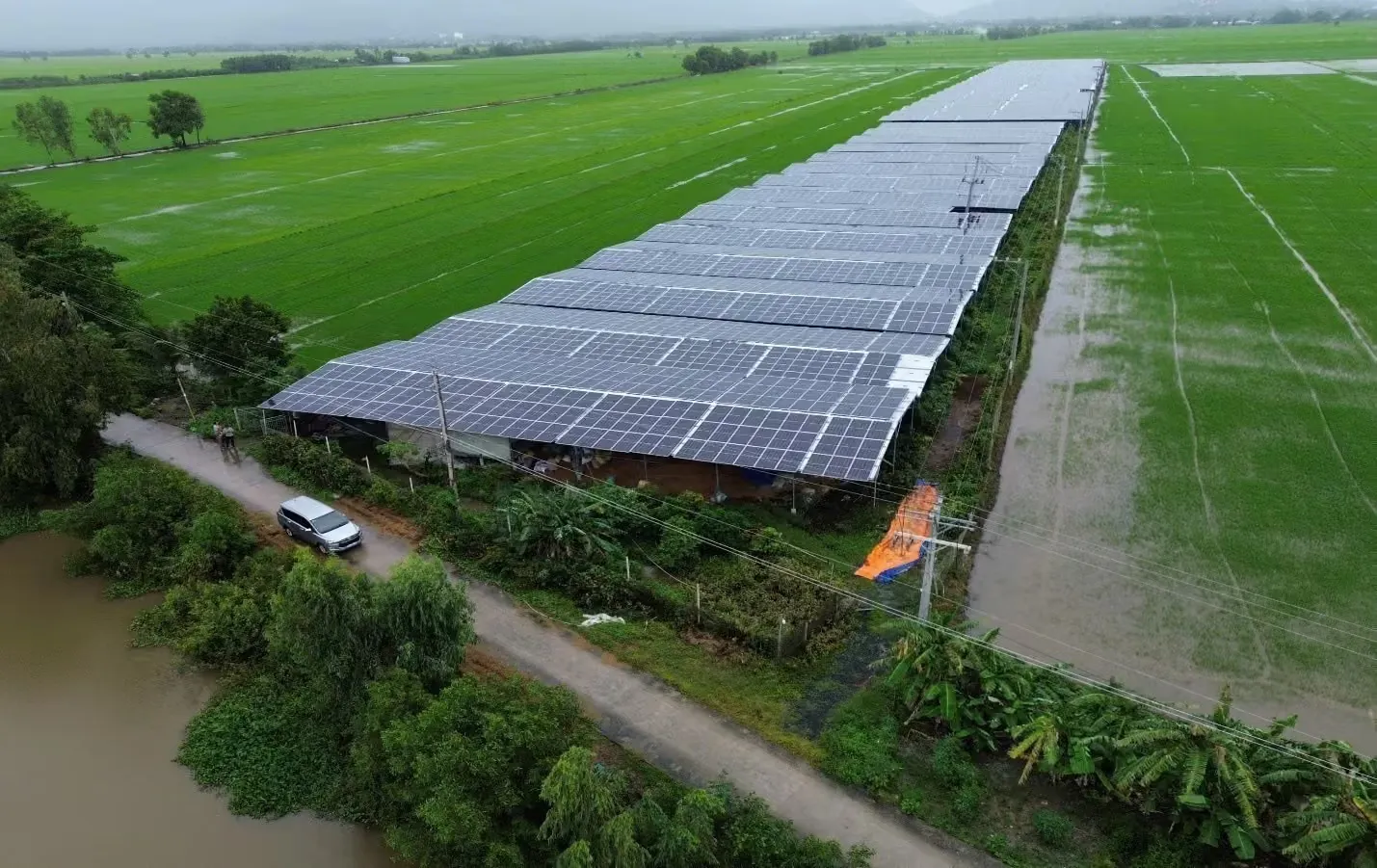
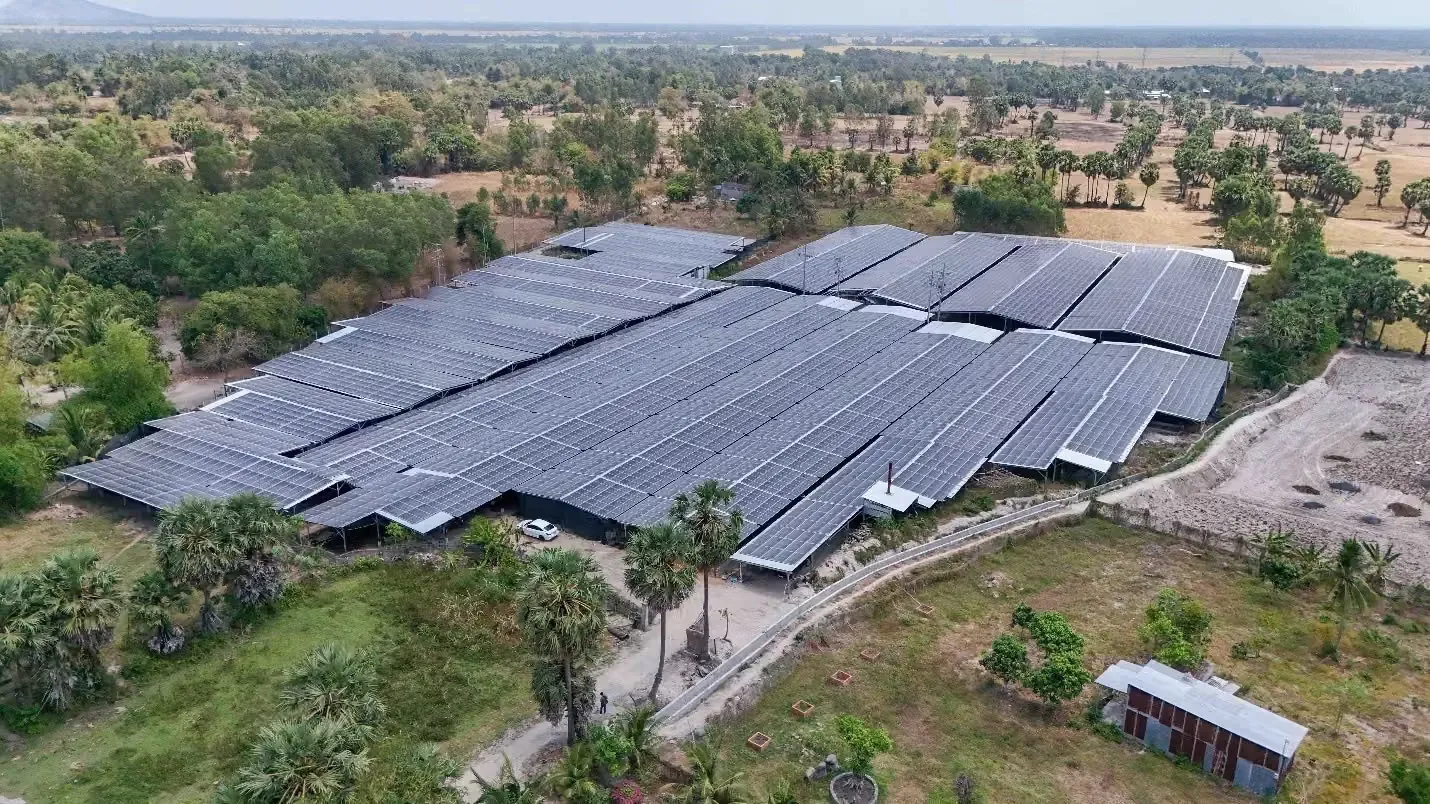
Above, a solar power system. Below, the space where mushrooms are grown. The two share one piece of land.
The farm is built on land used to generate solar power, with a system owned by Ms. Chau Thi Nuong. 100% of the electricity used for growing mushrooms comes from solar power.
The sun is tied to the power supply; below is the work of cultivation — part of the way of farming Nuong Farm is developing.
05Circularity
Value that continues after every harvest
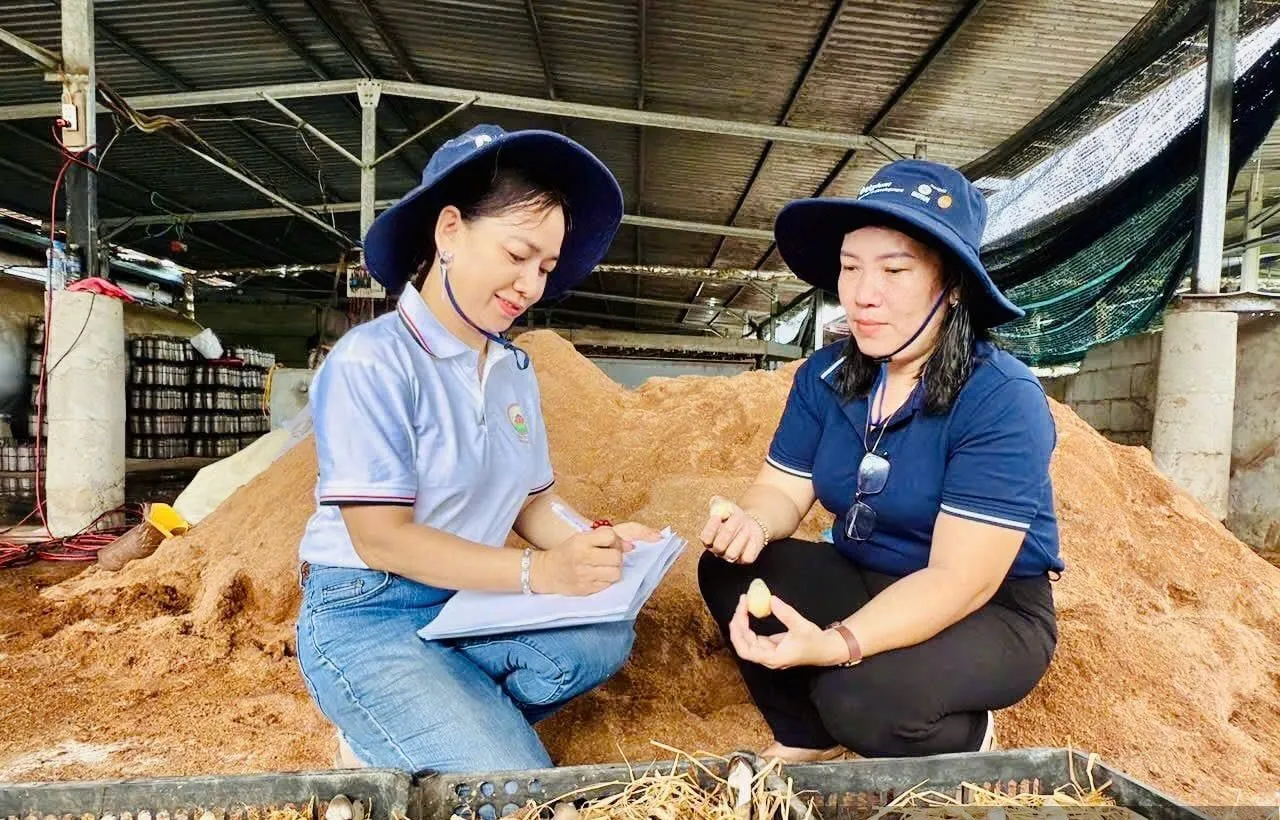
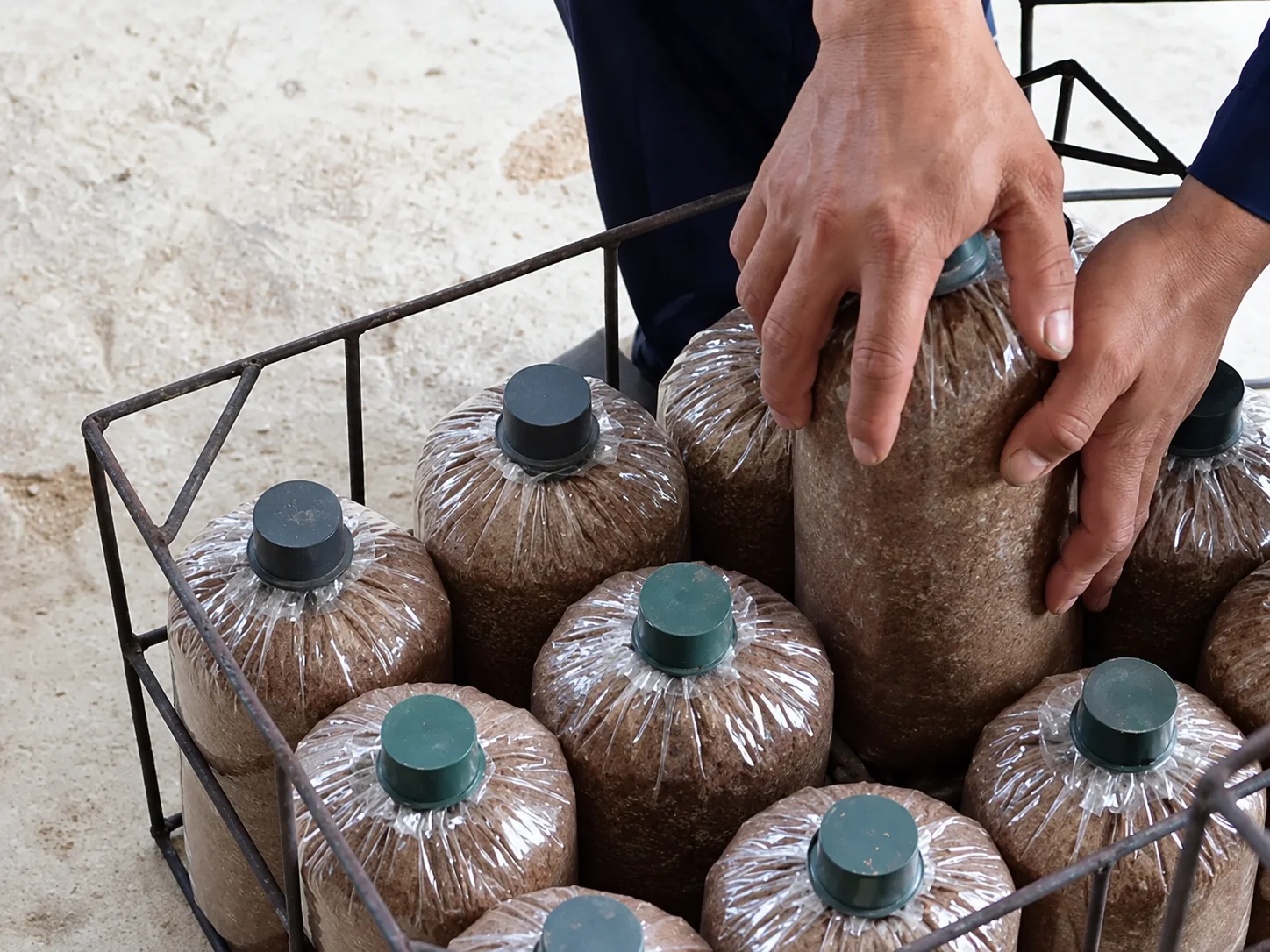
Circular practice at Nuong Farm begins with agricultural by-products, put to use in preparing the mushroom-growing substrate.
The materials are treated, mixed and bagged into substrate. From there, the mushrooms are tended and harvested on the farm, sold fresh or processed into other products.
After the harvest, the substrate’s story goes on — linking mushroom growing with raising earthworms, so the material is put to use once more.
After harvest, the substrate is used as feed for earthworms. The worm castings are then used to fertilise plants, adding organic nutrients to the soil and continuing the cycle.
Together with solar power, using by-products is part of Nuong Farm’s farming model.
06People
Working together, growing together
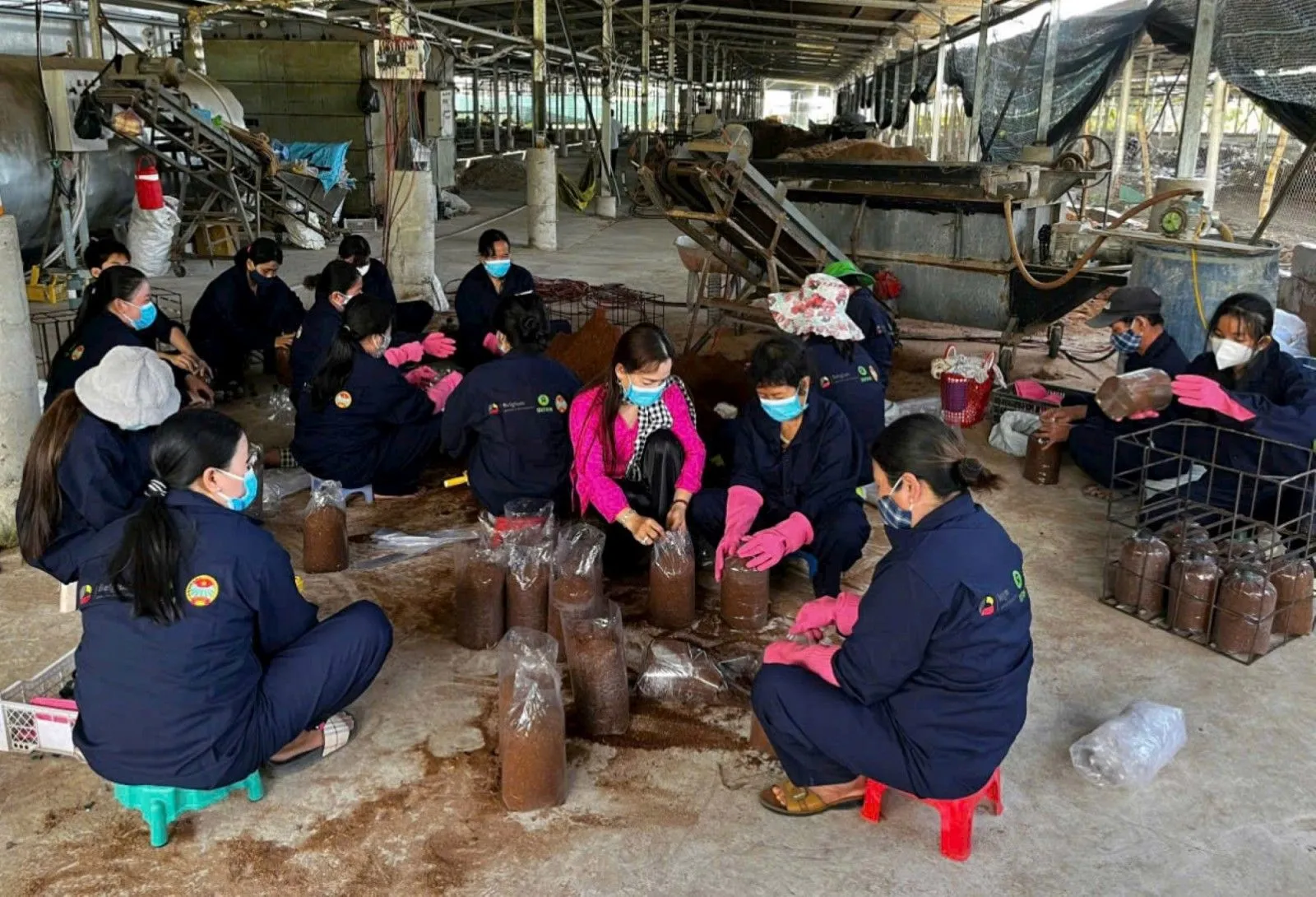
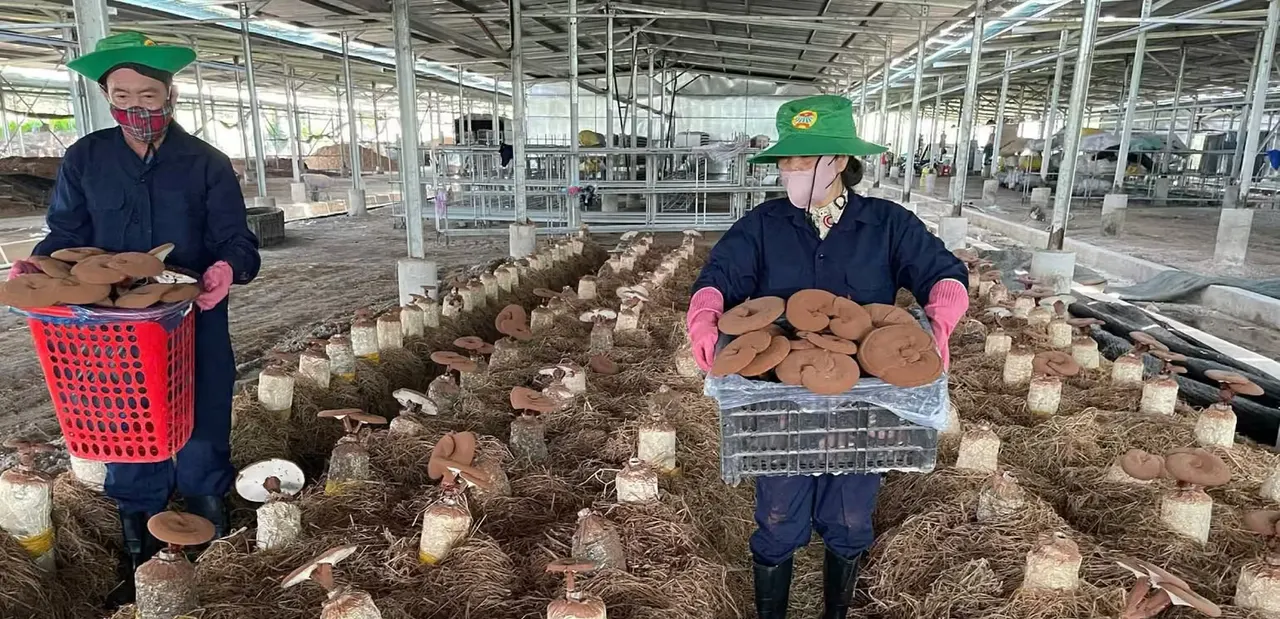
Trang trai Hien Nuong provides jobs for more than 40 local workers, especially women, in the Thoi Son and Tri Ton area of An Giang.
Behind every harvest is a team that prepares the substrate, tends, harvests and finishes the products — taking the story from two founders’ idea to the work of many.
Photographs of daily farm life introduce the people behind every mushroom season.
Alongside production there are meetings, visits and occasions to share how the farm works — another view of Nuong Farm and the ties formed around farming.
As it grows, Nuong Farm hopes to keep creating jobs for local people and to widen its connections with others who share its interests.